What Is the Best SMT Stencil Printer in 2026?
Choosing the best Smt Stencil Printer in 2026 starts with a practical question: what must it do on your production line? A modern printer may offer camera-guided alignment, programmable squeegee pressure, and adjustable print speed. These features can improve consistency, but only when they suit the boards, solder paste, and operators involved. For a prototype room, quick changeovers and simple cleaning may matter more than peak throughput. On a high-volume line, repeatable registration and reliable process records often carry greater weight.
Small details count. A slight shift in stencil alignment can affect paste placement on fine-pitch pads. A machine that is easy to set up may also reduce avoidable variation between operators. Still, specification sheets rarely tell the whole story. Real performance depends on stencil quality, board support, paste handling, maintenance, and the way a line is configured. Even experienced buyers can overlook these factors when comparing impressive feature lists.
This guide examines printer types, key evaluation criteria, and practical trade-offs for different production needs. It also considers usability, support, repeatability, and total ownership costs—not just the purchase price. No single model is best for every workshop, and rankings should be treated as a starting point, not a verdict. Where possible, compare machines using representative boards and a realistic setup. That takes time. But it can reveal problems a showroom demonstration will not.
What an SMT Stencil Printer Does in PCB Assembly
What Is the Best SMT Stencil Printer in 2026?
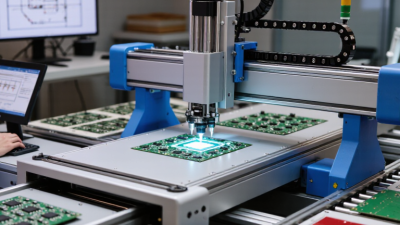
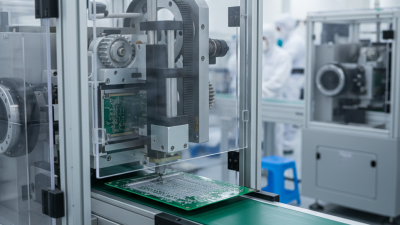
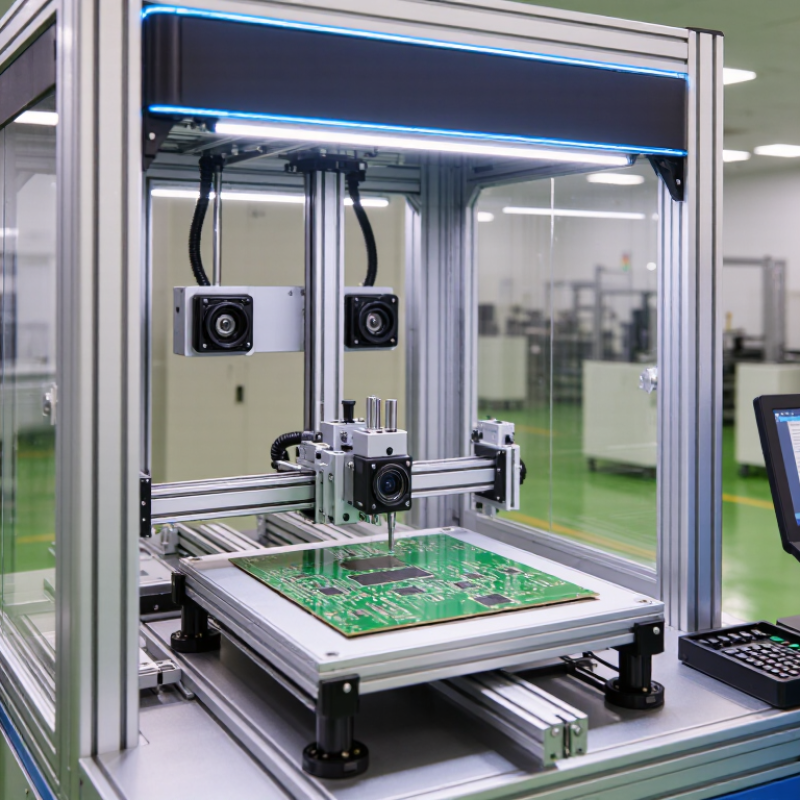
An SMT stencil printer transfers solder paste onto PCB pads before components are placed. A thin metal stencil sits over the board, and a squeegee draws paste across its openings. The goal is consistent deposits, not simply a fast print cycle. Too little paste can weaken a joint; too much can cause bridging between fine-pitch pads. Small details matter: board support, stencil alignment, paste condition, and cleaning intervals all affect the result.
Not magic. Just control.
A useful printer supports repeatable setup and lets engineers monitor alignment and print quality. IPC-7525C, Stencil Design Guidelines, gives an area-ratio benchmark of 0.66 for stencil aperture design, helping assess whether paste can release reliably. IPC-7526A, Stencil Printing Process Guidelines, also addresses process controls such as squeegee setup and paste handling. These references do not guarantee a good print; actual results still depend on the PCB, stencil, and process recipe.
In production, inspect deposits after printing and track defects over time. A printer may look precise while worn apertures or poor cleaning quietly change deposit volume.
That is easy to miss. The best choice in 2026 is the machine that fits the board mix, supports measurable process control, and can be maintained consistently by the operators using it.
Which Factors Determine Printer Performance in 2026
What Is the Best SMT Stencil Printer in 2026?
Which Factors Determine Printer Performance in 2026
The best printer is the one that holds a stable process across real production runs. Placement accuracy matters, but so do repeatability and control of solder paste volume. A slight board shift can leave pads unevenly covered. That matters.
Print quality depends on alignment, squeegee pressure and speed, stencil separation, and board support. These settings should be adjustable and repeatable, not merely easy to set once. Operators can inspect test prints under magnification and compare deposits across the board.
Look for smearing, incomplete apertures, and paste buildup near fine-pitch pads. Clean results are useful evidence.
Usability also affects performance. Quick recipe changes, accessible cleaning, and clear alarms can reduce avoidable downtime. For a fair comparison, run the same board, stencil, paste, and inspection method on each candidate printer. Record setup time, print consistency, and cleaning frequency.
A fast cycle is not automatically a better process. The awkward truth is that even a capable machine may struggle when board support or stencil condition is poor. A little operator judgment remains necessary.
How to Compare SMT Stencil Printers for Different Production Needs
What Is the Best SMT Stencil Printer in 2026?
The best SMT stencil printer in 2026 depends on the production it must handle, not the longest feature list. A low-volume prototype line may value quick setup, simple recipe changes, and easy access for cleaning. A high-mix factory needs repeatable alignment and fast changeovers. For steady, large batches, cycle time, uptime, and consistent paste deposits matter more. Small details count: check whether an operator can load a stencil and verify fiducials without awkward reaching.
Compare printers using the same test boards and solder paste. Measure print-to-print alignment, deposit consistency, setup time, and cleaning intervals. Look closely at fine-pitch areas and large components; a board can pass one check and still show uneven paste elsewhere. Ask how the machine handles warped boards, different stencil thicknesses, and recipe storage. These are practical questions, not showroom extras. Results also depend on stencil quality, paste condition, and operator training.
For a growing line, consider whether the printer can connect to inspection equipment and fit the available floor space. Automation may reduce handling, but it can add setup and maintenance demands. That trade-off matters. A feature that sits unused is not an advantage. Compare service access, documented calibration steps, and support response times before deciding. Production forecasts can be wrong, so leave room for uncertainty.
How to Select the Best SMT Stencil Printer for Your Application
What Is the Best SMT Stencil Printer in 2026?
Selecting the best SMT stencil printer depends on your boards, production volume, and process limits—not a feature list alone. Start with the largest board you run, the smallest apertures you need to print, and your target changeover time. Fit matters. A printer that handles your panel comfortably can still struggle with consistent alignment or paste release.
Check the machine’s registration accuracy, support-pin flexibility, squeegee control, and stencil-cleaning options. These details affect real prints. For example, inspect deposits around fine-pitch components and near board edges, where uneven support may cause problems. Ask operators to test the interface and routine adjustments, too. A setup that feels simple during a demonstration may become awkward during frequent product changes.
Request a trial using your own boards, stencil, and solder paste. Measure print-to-pad alignment, deposit consistency, and repeatability across several cycles; one clean print proves little. Compare those results with your process requirements and maintenance capacity. A faster cycle is not automatically better if cleaning or rework increases. There is no perfect choice, and specifications can look reassuring on paper. Record what the test does not cover, such as long-run drift, before deciding.