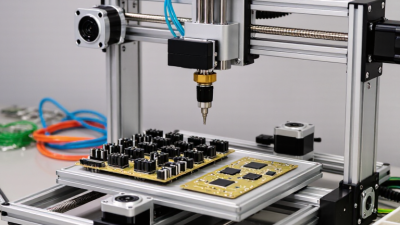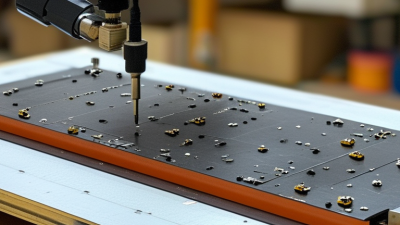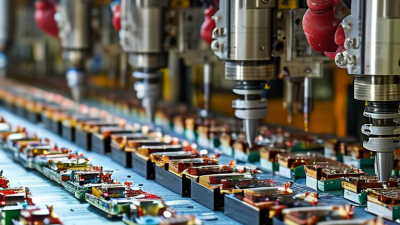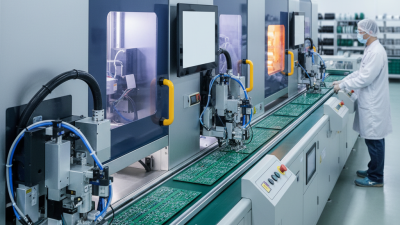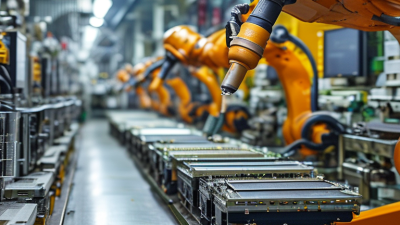
Choosing the best Smt Pick And Place machine is rarely a simple comparison of speed and price. A machine that performs well in a high-volume factory may disappoint a small workshop with frequent product changes. The right decision depends on board size, component range, feeder capacity, placement accuracy, software, and long-term support.
Practical experience shows that advertised placement rates can be misleading. A machine may claim 30,000 components per hour, yet real output can fall after feeder changes, inspection pauses, or difficult component layouts. Operators should examine actual cycle times with their own boards. Watch how smoothly the head moves. Listen for vibration. Check whether feeders load quickly and hold components securely.
Reliability matters more than impressive specifications. Professional evaluations should include placement accuracy, repeatability, maintenance access, spare-part availability, and technical training. Reputable manufacturers normally provide measurable data, clear warranties, and responsive service channels. Independent reviews and user feedback can reveal problems that brochures omit.
Still, every machine has limitations. Even experienced engineers can overvalue speed and underestimate software learning time. That mistake can create hidden costs for months. A balanced assessment should compare total ownership cost, including electricity, consumables, maintenance, labor, and future upgrades. Testing a machine with representative boards is especially valuable before purchase.
There is no universal winner. The best choice is the machine that consistently delivers accurate placement, manageable operation, and dependable support for your production goals.
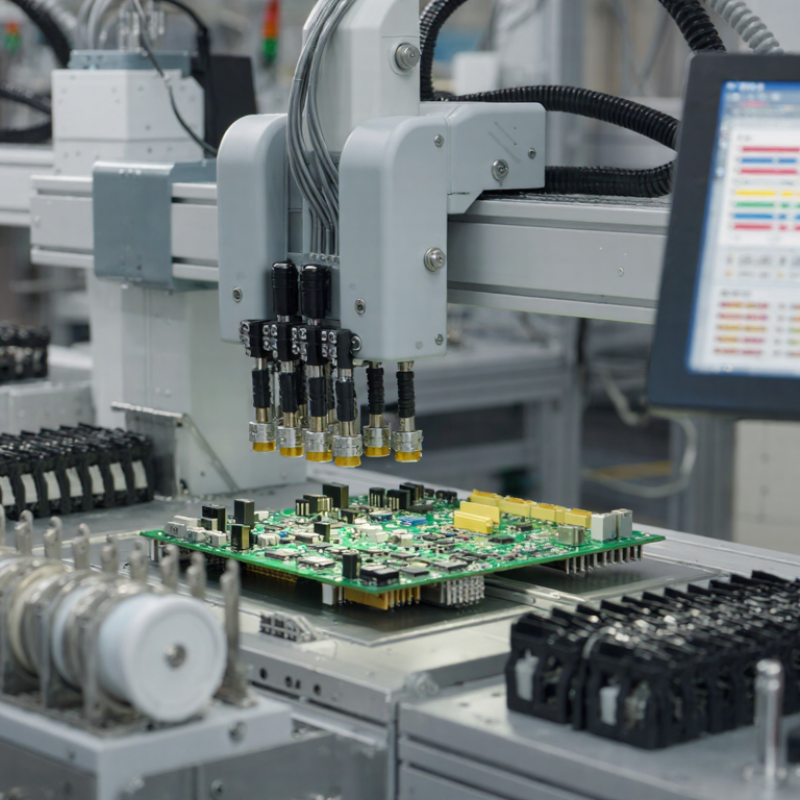
An SMT pick and place machine automatically positions electronic components on a printed circuit board. It works after solder paste is applied to prepared pads. A feeder presents each component, while a placement head picks and releases it accurately. Vision cameras check component shape, position, and orientation before placement.
In practical production, the machine connects speed with repeatable accuracy. A suitable system should handle small resistors, integrated circuits, and mixed component sizes. It should also support reliable feeders, clear software, and simple calibration. Fast placement matters, but stable operation matters more. A machine stopping for frequent feeder errors can lose more time than it saves.
During line trials, technicians often inspect nozzle wear, board support, and camera alignment. These details affect soldering results. A strong machine should maintain placement accuracy across long production runs. It should also provide useful alarms instead of confusing messages. I once treated speed as the main buying factor. That was a mistake. Changeover time and maintenance access affected daily output more than expected. The “best” machine depends on board complexity, production volume, component range, and operator skill. Small manufacturers may prefer flexible setup. High-volume lines may value throughput and automation. Testing real boards before purchase remains important, because brochures cannot reveal every practical weakness.
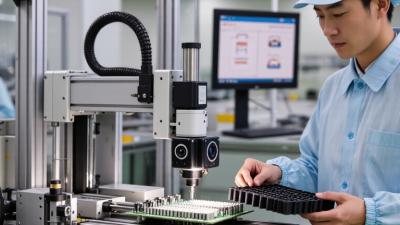
An SMT pick and place machine uses feeders, nozzles, cameras, and a moving gantry. Feeders present components in a controlled sequence. A vacuum nozzle lifts each part, then rotates it. Vision cameras inspect its shape, position, and orientation. The machine corrects small errors before placement. It deposits the component onto solder paste on a printed circuit board.
The process looks simple, but accuracy depends on coordination. A 0201 metric component measures only 0.25 by 0.125 millimeters. Placement errors become serious at that scale. Industry market reports, including the 2024 SMT Equipment Market study by Research and Markets, describe strong demand for high-speed and flexible placement systems. Some production platforms exceed 100,000 placements per hour, although real output falls with inspection, feeder changes, and complex boards. That distinction matters.
Tips: Match the machine to your product mix, not its headline speed. Check feeder compatibility, nozzle availability, vision performance, and changeover time. IPC process guidance also emphasizes controlled solder-paste printing and inspection before placement. A fast machine cannot rescue poor paste deposits. This is where many production plans feel optimistic. Operators should record misplacements, stoppages, and first-pass yield during trials. Data from one board may mislead. Test several shifts instead.
The best SMT pick and place machine is not simply the fastest model. In production reviews, placement accuracy, repeatability, and uptime usually matter more than headline speed. A machine rated at 80,000 components per hour may lose its advantage during feeder changes, nozzle cleaning, or software pauses. According to Grand View Research, the global SMT equipment market was valued at approximately USD 5.16 billion in 2022, with automation demand supporting continued growth through 2030. This investment makes measurable performance essential.
Vision capability is a major differentiator. High-resolution cameras should detect offset, polarity, missing parts, and package damage before placement. Closed-loop calibration also helps maintain accuracy across long production shifts. IPC-9850 provides a recognized framework for evaluating placement machine performance, including speed, accuracy, and repeatability. Feeder flexibility matters too. A practical system should handle tiny chip components, fine-pitch packages, and larger connectors without excessive changeover time.
Software deserves equal attention. Real-time traceability, feeder verification, and machine health alerts can reduce hidden downtime. Industry 4.0 reporting often uses OEE, yet operators must verify how the figure is calculated. A convenient dashboard can still conceal short stops. I would also question extreme speed claims. Actual results depend on board density, component mix, stoppages, and operator skill. Faster is not always better. Stable output wins.
What Is the Best SMT Pick and Place Machine?
The best SMT pick and place machine depends on your production mix, not only its advertised speed. High-speed turret machines suit large runs with many small, repeated components. Modular machines offer broader component support and easier line balancing. Benchtop systems fit prototypes, repairs, and low-volume production. They usually need more operator involvement.
Compare each type using measurable conditions. Check actual placements per hour, feeder capacity, changeover time, nozzle options, and placement accuracy. A machine may claim impressive speed, but frequent feeder refills can reduce real output. Examine software training, maintenance access, spare-part availability, and technical support. Component sizes matter too. A line handling tiny resistors may struggle with connectors or unusual packages. I have seen evaluations focus too heavily on speed. That was a mistake. Floor space, power use, and operator skill can change the final decision.
Tips: Test your own sample boards before buying. Record setup time, stoppages, placement errors, and recovery steps. Ask for documented accuracy results under similar conditions. Leave room for future products, but do not pay for capacity you cannot use. A balanced comparison is better than a spectacular specification.
| Machine Type | Typical Placement Rate | Typical Placement Accuracy | Typical Feeder Capacity | Typical PCB Size Capability | Best Production Use | Main Advantages and Limitations |
|---|---|---|---|---|---|---|
| Desktop or Benchtop Pick-and-Place Machine | Approximately 1,000–8,000 components per hour | Typically ±50–100 μm, depending on component type and vision system | Approximately 20–80 tape feeders, with additional tray or tube options on some systems | Commonly up to about 300 × 400 mm | Prototyping, laboratory work, engineering builds, and low-volume production | Advantages: Low initial investment, compact footprint, and relatively simple setup. Limitations: Lower speed, fewer feeders, and more manual intervention than production-class equipment. |
| Turret or Rotary-Head Machine | Approximately 20,000–60,000 components per hour | Typically ±50–80 μm | Approximately 80–160 feeders, depending on machine configuration | Commonly supports boards up to about 460 × 460 mm | High-volume production using predominantly small, standardized components | Advantages: Very high chip-placement speed and strong productivity for repetitive assemblies. Limitations: Less flexible for large, unusual, fragile, or frequently changing components; feeder setup can be extensive. |
| Modular High-Speed Placement Machine | Approximately 30,000–80,000 components per hour per machine, depending on configuration | Typically ±30–60 μm | Approximately 80–200 feeders, often with multiple feeder banks or carts | Commonly supports boards up to about 510 × 460 mm | Medium- to high-volume production with a broad mix of standard SMT components | Advantages: High throughput, scalable line capacity, and good balance between speed and flexibility. Limitations: Higher capital cost, greater maintenance requirements, and more complex line balancing. |
| Flexible Placement Machine | Approximately 5,000–25,000 components per hour | Typically ±25–60 μm, depending on vision, nozzle, and component size | Approximately 40–160 feeders, with support for trays, tubes, and bulk components on suitable configurations | Commonly supports boards up to about 460 × 460 mm | Mixed-product manufacturing, new product introduction, and medium-volume assemblies | Advantages: Handles a wide range of component sizes, odd-form parts, connectors, and product variants. Limitations: Lower peak chip-shooting speed than dedicated high-speed machines. |
| Multi-Function or Odd-Form Placement Machine | Approximately 2,000–15,000 components per hour, depending on component mix | Typically ±30–75 μm | Approximately 40–120 feeders, plus trays, tubes, or specialized component tooling | Commonly supports boards up to about 510 × 460 mm | Large components, connectors, relays, power devices, and mixed SMT assemblies | Advantages: Suitable for large, heavy, tall, or irregular components that high-speed heads may not handle efficiently. Limitations: Lower average throughput and potentially higher tooling or nozzle costs. |
| Inline Modular SMT Line | Approximately 20,000–100,000+ components per hour for a complete line, depending on the number and type of machines | Typically ±25–60 μm at the placement-machine level | Approximately 100–400+ feeder positions across the line | Often supports boards up to about 510 × 460 mm, with larger formats available in selected configurations | Continuous medium- to high-volume production with automated loading, inspection, and board transfer | Advantages: High automation, consistent cycle times, traceability, and scalable capacity. Limitations: Requires substantial floor space, process engineering, maintenance, and capital investment. |
How to choose: The best SMT pick-and-place machine depends on product mix, monthly board volume, component range, changeover frequency, required placement accuracy, available floor space, and return-on-investment targets. Placement rates and accuracy figures are typical industry ranges; actual performance varies with board design, component package, feeder setup, nozzle selection, inspection method, and operating conditions.
Choosing the best SMT pick and place machine starts with your production reality, not a headline speed rating. Product mix, board size, component range, changeover frequency, and operator skill should guide the decision. A line producing 10,000 identical boards needs different equipment from a factory handling short runs and frequent prototypes. Check feeder capacity, nozzle availability, placement accuracy, and software support. Small details matter. A difficult feeder change can quietly consume hours each week.
Industry data supports a careful automation strategy. The International Federation of Robotics reported about 156,000 robot installations in electronics manufacturing during 2023. However, installation volume fell by roughly 5%, showing that investment decisions remain selective. Buyers should compare total operating cost, not only hourly placement speed. Review electricity use, preventive maintenance, spare-part access, training time, and actual utilization. A fast machine running at 45% capacity may underperform a slower machine running at 80%.
IPC manufacturing guidance also emphasizes process traceability and connected production data. Therefore, confirm whether the machine can exchange program, quality, and maintenance information with your existing systems. Request a practical demonstration using your smallest components, tallest parts, and most difficult board. Test real changeovers. Expect some compromises. No machine fits every factory perfectly, and early assumptions may need revision after several production cycles.
Typical placement-speed benchmarks for matching an SMT machine to production volume
Placement speed is a useful starting point when selecting an SMT machine. Prototype and low-volume production often prioritize flexibility and quick changeovers, while medium- and high-volume lines require substantially higher component-per-hour capacity. Actual output depends on board complexity, component mix, feeder changes, placement accuracy, inspection requirements, and machine utilization.