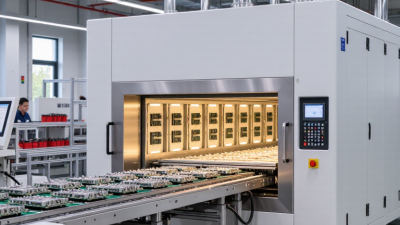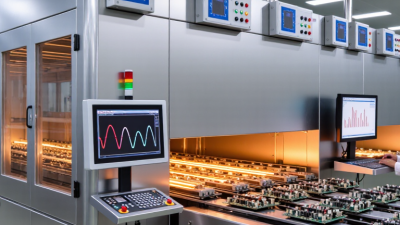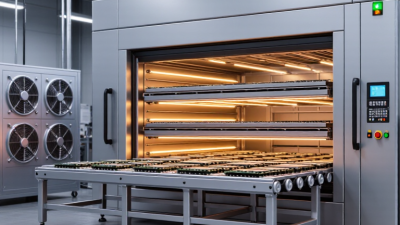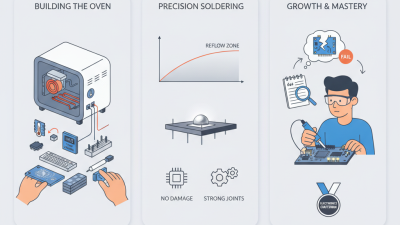
Choosing among China’s top Soldering Oven manufacturers requires more than comparing catalog prices. A reliable supplier should demonstrate practical experience with your products, materials, and production volume. Ask for thermal profile records, temperature uniformity data, and test results from similar applications. Photos are useful, but measured performance matters more.
Look closely at construction details. Check heating zones, conveyor stability, insulation quality, cooling control, and software access. A clear maintenance plan can prevent small faults from becoming expensive production delays. Manufacturers with documented quality systems, traceable components, and relevant certifications usually provide stronger purchasing confidence. Still, certificates alone cannot prove long-term performance. Request a factory audit, sample run, or video inspection when possible.
Communication also reveals technical capability. Can the supplier explain profile adjustment, oxygen control, energy use, and replacement parts clearly? Can engineers respond with specific recommendations instead of general promises? These questions separate experienced manufacturers from simple traders. Service coverage matters too, especially when operators need remote support after installation.
The cheapest option may not be economical. Hidden costs can include training, shipping damage, software limitations, and delayed spare parts. A carefully prepared comparison should include total ownership cost and expected production stability. One weakness may remain. No supplier can guarantee perfect performance under every working condition. Your board design, solder paste, loading pattern, and workshop environment will influence results. Choose a manufacturer willing to test, document, and improve the Soldering Oven with you. That attitude is often more valuable than a polished brochure.
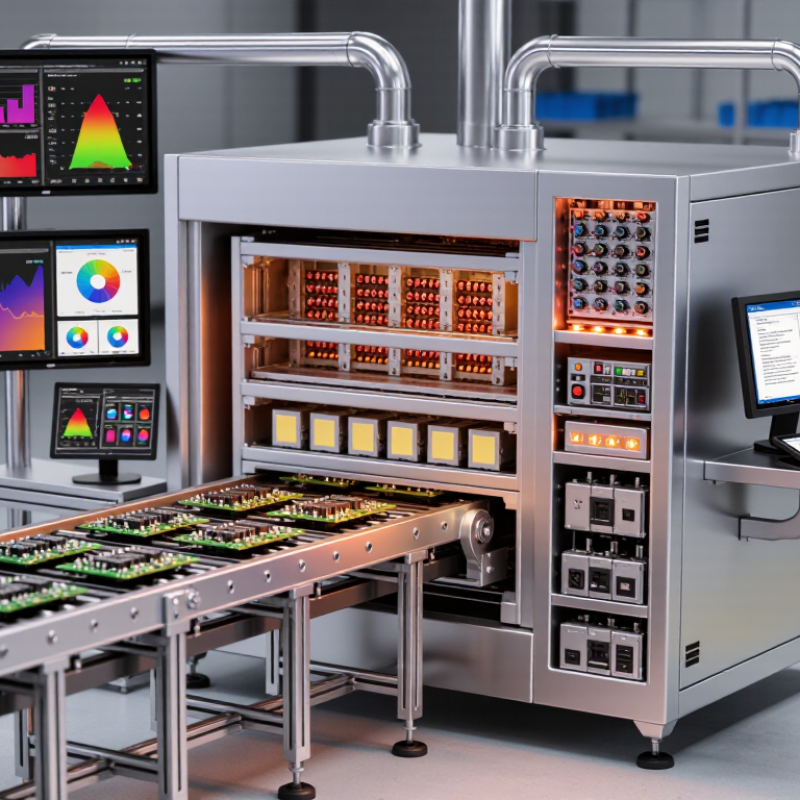
A soldering oven, commonly called a reflow oven, heats assembled circuit boards through controlled temperature stages. Solder paste first softens during preheating. Moisture and solvents gradually escape. The board then enters the soaking zone, where temperatures become more even. In the reflow zone, solder melts and bonds components to copper pads. Controlled cooling solidifies the joints without excessive thermal stress.
When comparing China top soldering oven manufacturers, examine how clearly they explain this process. Ask for a measured temperature profile, not only attractive catalog numbers. Important details include heating-zone quantity, temperature accuracy, conveyor width, maximum board size, power consumption, and maintenance access. A reliable manufacturer should provide operating instructions, safety protection, spare-part support, and practical testing before delivery. Request sample boards if possible.
Small details matter. Thermocouples attached to large and sensitive components can reveal uneven heating. A glossy solder joint does not always prove a strong connection. Poor paste storage, incorrect conveyor speed, or blocked airflow can still create defects. I have found that published specifications sometimes look more precise than real factory conditions. That deserves careful questioning. A trial run may expose weak insulation or slow temperature recovery. Do not choose by price alone. A slightly less powerful oven may suit a small line better, while a high-output model can waste energy and space. The best decision depends on board design, production volume, solder type, and the operator’s daily skill.
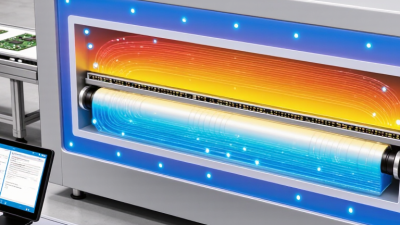
A soldering oven, commonly called a reflow oven, heats assembled circuit boards through controlled temperature zones. The typical lead-free SAC soldering profile shown below includes preheating, thermal soaking, reflow above the solder's liquidus temperature, and controlled cooling.
The profile represents common lead-free reflow conditions: gradual preheating, a soak range of approximately 150–180°C, a peak temperature near 235°C, and a controlled cooling stage. When choosing a soldering oven, compare temperature uniformity, zone control, conveyor stability, nitrogen capability, heating technology, cooling control, capacity, and energy consumption.
When comparing soldering oven manufacturers in China, start with thermal performance, not appearance. Ask for the heating range, temperature uniformity, and control accuracy. A reliable oven should maintain stable profiles across the conveyor width. Many suppliers quote impressive peak temperatures. That figure alone proves little.
Check the number of heating and cooling zones. More zones can improve control, but they also increase maintenance needs. Confirm the usable PCB size, conveyor speed, maximum board weight, and clearance height. These details determine whether the oven fits your actual production line. Ask for profile data from a board similar to yours. Real test records matter.
Atmosphere control also deserves careful attention. If you use nitrogen, review oxygen concentration, gas consumption, sealing design, and recovery performance. Examine the control system, alarm functions, data logging, and remote diagnosis options. Temperature sensors should be calibrated and traceable. Request calibration records, factory acceptance tests, and service response times. Do not ignore spare parts availability.
I have seen buyers focus on hourly output and overlook cooling capacity. That mistake can affect solder joints and component stress. A higher specification is not always better. Sometimes, it adds cost without improving your process. Compare energy use, maintenance access, warranty terms, and operator training. Leave room for doubt, and verify every claim with measured results.
When comparing top soldering oven manufacturers in China, product quality should be tested, not assumed. Request temperature-profile records from a loaded production run. Check whether the oven maintains stable heat across the chamber, not only at its center. Ask for calibration dates, thermocouple accuracy, conveyor speed tolerance, and alarm response. A practical factory visit should include inspection of insulation, wiring, fans, and solder-residue control.
Certifications need careful reading. ISO 9001 shows a quality-management system, but it does not prove every oven performs well. Depending on the destination market, verify relevant electrical safety, electromagnetic compatibility, and material-compliance documents. Confirm the certificate holder, model number, testing scope, and validity with the issuing organization. A copied certificate is not evidence. It is only paperwork.
Reliability appears in small details. Ask how many hours the heating elements, motors, and control systems are rated for. Review spare-parts availability, software support, maintenance instructions, and response times. Request references from factories with similar boards, throughput, and working temperatures. A controlled trial with your own assemblies is more convincing than polished photographs. No checklist is perfect. I would still leave room for mistakes, because a clean demonstration may hide unstable performance after months of dust, vibration, and continuous production.
China Top Soldering Oven Manufacturers: How to Choose?
When comparing Chinese soldering oven manufacturers, buyers should examine the complete price, not only the quotation. Ask whether shipping, installation, spare parts, and testing are included. A low price may hide costly upgrades later. Request a detailed quotation with heating zones, temperature range, conveyor width, power use, and warranty terms. Factory experience matters, but practical evidence matters more. Review test records, calibration reports, and recent customer references.
Customization should solve a real production problem. Discuss board size, throughput, nitrogen requirements, temperature uniformity, and workspace limits. Ask for drawings before approving changes. Some suppliers promise flexible engineering, yet cannot explain how modifications affect delivery time or maintenance. That is a warning sign. I have found that small details, such as access-panel position, can influence daily maintenance greatly. Buyers sometimes overlook them.
Tips: Compare three itemized quotations. Ask for a sample reflow profile. Confirm who pays for remote support and travel. Check response times in writing. Request operator training and spare-parts lists. A useful supplier should explain failures without blaming the operator. Support quality is difficult to measure before purchase. Still, ask for escalation contacts, software update policies, and service hours. Do not accept vague promises. Even strong suppliers can miss a detail, so record every requirement and review it during the factory acceptance test.
Practical buyer checklist for comparing soldering and reflow oven suppliers
| Evaluation Area | What Buyers Should Check | Practical Benchmark or Requirement | Evidence to Request | Main Risk if Unverified |
|---|---|---|---|---|
| Equipment Type | Confirm whether the machine is designed for batch curing, PCB preheating, or continuous reflow soldering. | A conveyor reflow oven is normally preferred for repeatable PCB production; a batch oven is more suitable for prototypes, laboratories, and low-volume work. | Technical specification, process flow diagram, sample application list, and machine videos showing actual operation. | Poor throughput or an unsuitable thermal profile. |
| Price Structure | Compare the complete delivered configuration instead of only the base machine price. | The quotation should separately identify the oven, conveyor, nitrogen system, exhaust system, software, tooling, packing, shipping, installation, and taxes. | Itemized quotation with Incoterms, payment terms, lead time, spare parts, and optional accessories clearly listed. | Unexpected charges and an inaccurate total cost of ownership. |
| Temperature Capability | Check maximum temperature, usable process range, heating-zone count, and temperature uniformity. | Lead-free soldering commonly uses peak board temperatures around 230–250°C, while the exact profile depends on the solder paste and component limits. The oven should provide enough control margin above the required profile. | Factory temperature-uniformity report, calibration records, and a tested profile using the buyer’s board or a representative test board. | Insufficient melting, component overheating, or solder defects. |
| Thermal Profile Control | Review the number of independently controlled heating and cooling zones and the profile-monitoring method. | Production reflow systems often use multiple independently controlled zones. The important factor is stable profile repeatability, not the zone count alone. | Sample profile curves, control-system screenshots, thermocouple specifications, and repeatability test results. | Inconsistent solder joints between production batches. |
| Throughput and Conveyor | Check conveyor width, maximum board size, conveyor speed range, and allowable product weight. | The selected width and speed should support the largest PCB, carrier, pallet, or panel planned for production, with additional capacity for future products. | Dimensional drawing, conveyor-load specification, speed-calibration data, and a throughput calculation based on actual board length. | Bottlenecks, board instability, or inability to process future products. |
| Nitrogen System | Determine whether nitrogen is necessary and verify oxygen-level control, gas consumption, and connection requirements. | Nitrogen can reduce oxidation, but the required oxygen level depends on the solder paste, product design, and quality target. Ask for measured oxygen data rather than a general claim. | Oxygen-concentration test report, nitrogen-flow range, gas-inlet requirements, and estimated operating consumption. | Higher operating cost without measurable quality improvement. |
| Energy Efficiency | Compare installed power, warm-up time, heat recovery, insulation, and standby consumption. | Ask for power-consumption data under warm-up, normal production, idle, and shutdown conditions. Actual consumption is normally lower than installed electrical capacity. | Energy test method, measured kWh data, insulation details, and recommended operating settings. | High utility costs and unsuitable factory electrical capacity. |
| Customization | Check whether the supplier can adapt conveyor width, zone configuration, loading height, cooling, exhaust, software, and factory voltage. | Customization should be documented in the technical contract, including drawings, acceptance limits, additional cost, and effect on delivery time. | Approved layout drawing, change-order procedure, customized specification, and final acceptance checklist. | Extra charges, delayed delivery, or a machine that does not fit the production line. |
| Electrical and Safety Compliance | Verify electrical design, emergency stops, over-temperature protection, guarding, exhaust, and documentation for the destination country. | The machine should match the buyer’s voltage, frequency, phase, grounding, ventilation, and workplace-safety requirements. | Electrical schematic, risk assessment, safety test record, declaration documents where applicable, and installation requirements. | Installation failure, compliance delays, or operator-safety incidents. |
| Quality Assurance | Assess incoming inspection, assembly checks, wiring inspection, software testing, and final machine acceptance. | A reliable supplier should have a documented factory-acceptance process and should provide test results before shipment. | Inspection checklist, factory-acceptance test report, calibration certificates, and shipment photographs or video. | Undetected defects and commissioning problems at the buyer’s site. |
| Installation and Training | Clarify whether remote commissioning, on-site installation, operator training, and process support are included. | Training should cover startup, recipe creation, profile measurement, cleaning, maintenance, fault recovery, and safety procedures. | Training agenda, installation scope, service rates, travel charges, manuals, and acceptance criteria. | Longer ramp-up time and dependence on supplier technicians. |
| Warranty and Spare Parts | Review warranty duration, covered components, response time, exclusions, and spare-parts availability. | The contract should define whether labor, travel, replacement parts, and remote troubleshooting are included during the warranty period. | Written warranty policy, recommended spare-parts list, component part numbers, and service-response commitment. | Extended downtime and difficult maintenance after installation. |
| After-Sales Support | Check communication channels, technical-language capability, remote diagnostics, software updates, and service coverage in the destination region. | Support should include a named contact, response-time target, troubleshooting procedure, and escalation path for production-critical failures. | Service-level agreement, support workflow, sample troubleshooting records, and customer references with similar equipment. | Slow problem resolution and unstable production output. |
| Total Cost of Ownership | Calculate purchase price, freight, installation, electricity, nitrogen, maintenance, spare parts, and downtime over the expected service period. | The lowest initial quotation is not necessarily the lowest-cost option. Compare at least a three-year operating-cost scenario using the same production assumptions. | Five-year spare-parts estimate, energy assumptions, consumable requirements, maintenance schedule, and service-cost quotation. | Higher long-term cost despite a low purchase price. |
Choosing the best Chinese soldering oven manufacturer starts with production evidence, not attractive quotations.
Ask for a factory video, equipment list, and recent customer references. A reliable supplier should explain heating zones, conveyor width, temperature range, and maintenance access clearly. Vague answers are warning signs.
Request a sample trial using your actual PCB assemblies. Measure temperature uniformity across the board, not only the oven display. A strong manufacturer can provide thermal-profile data, calibration records, safety documentation, and controlled testing procedures.
Check whether the oven supports lead-free processes, nitrogen use, profile storage, and automatic alarm functions.
These details affect solder quality and operator safety.
Service quality matters after installation.
Confirm spare-part availability, response times, installation training, and remote troubleshooting methods. Review warranty terms carefully. A low purchase price may hide expensive heaters, sensors, or difficult-to-replace fans.
I have seen buyers focus too much on heating speed and overlook conveyor stability. That mistake can create uneven solder joints.
Also, no supplier is perfect. Ask how the company handles failed trials, delayed parts, and repeated temperature deviations. Their response may reveal more than a polished showroom.
Compare total operating cost, technical capability, and communication quality before making a decision.