What Is an SMT Pick and Place Machine?
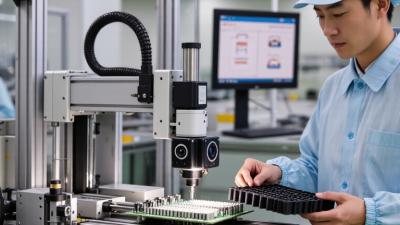
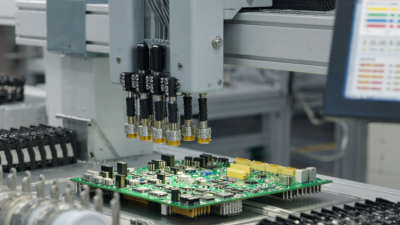
An Smt Pick And Place machine is the equipment that positions electronic components onto solder-pasted circuit boards. It reads placement data, identifies each part, and uses a nozzle to lift and place components with controlled speed and accuracy. On a production line, reels feed resistors and capacitors into the machine while cameras check component position and orientation. Tiny parts. Fast movements. The result is a repeatable process that supports everything from compact consumer devices to automotive control boards.
Its importance is easier to understand alongside industry data. The IPC report World PCB Production Report tracks global printed circuit board production, a foundation of electronics assembly. IPC’s North American Electronics Manufacturing Services Statistical Program also follows activity across the contract manufacturing sector. These sources help explain why manufacturers invest in automated assembly, though they do not measure the performance of every pick-and-place machine. That distinction matters. A machine’s actual output depends on component mix, board design, feeder setup, changeover time, and inspection requirements—not just its advertised placement rate.
For engineers and production managers, understanding what the machine does is only the beginning. Feeder capacity, placement accuracy, software compatibility, and service support can shape daily throughput. A high-speed specification may look impressive, but it can be less useful when frequent product changes interrupt the line. Real production is messier than a brochure suggests. The sections ahead explain how SMT pick-and-place machines work, which features matter, and how to assess their role in an electronics assembly line.
Definition and Purpose of an SMT Pick and Place Machine
What Is an SMT Pick and Place Machine?
An SMT pick and place machine is an automated system used to mount electronic components onto printed circuit boards. SMT means surface mount technology. The machine receives components from feeders, lifts them with a vacuum nozzle, and places them on prepared solder paste.
Its purpose is to improve placement speed, accuracy, and repeatability. A camera checks component shapes and board markers before placement. Software then compares the measured position with programmed coordinates. This process helps prevent rotated parts, missing components, and misplaced contacts. On a busy production line, the machine may place thousands of components in one hour. Small resistors, capacitors, integrated circuits, and connectors can all be handled when the equipment is correctly configured.
Setup still matters greatly. Operators must load the right feeder positions, verify component data, and select suitable nozzles. A worn nozzle or dirty camera can create repeated defects. One small programming error may affect an entire batch. That is not always obvious at first. Regular calibration, sample inspection, and clear maintenance records make the process more reliable. The machine reduces manual work, but it does not remove human responsibility. In practice, placement quality also depends on solder paste condition, board design, and component packaging. Mistakes still happen, especially during product changeovers.
What Is an SMT Pick and Place Machine?
An SMT pick and place machine picks surface-mount components from feeders, aligns them, and places them onto the correct PCB pads. The chart shows the nominal body dimensions of common passive component package sizes, which the machine must handle accurately.
Package dimensions are nominal body length and width in millimeters. Imperial package codes are shown; actual dimensions may vary slightly by component specification.
Key Components and Their Functions
What Is an SMT Pick and Place Machine?
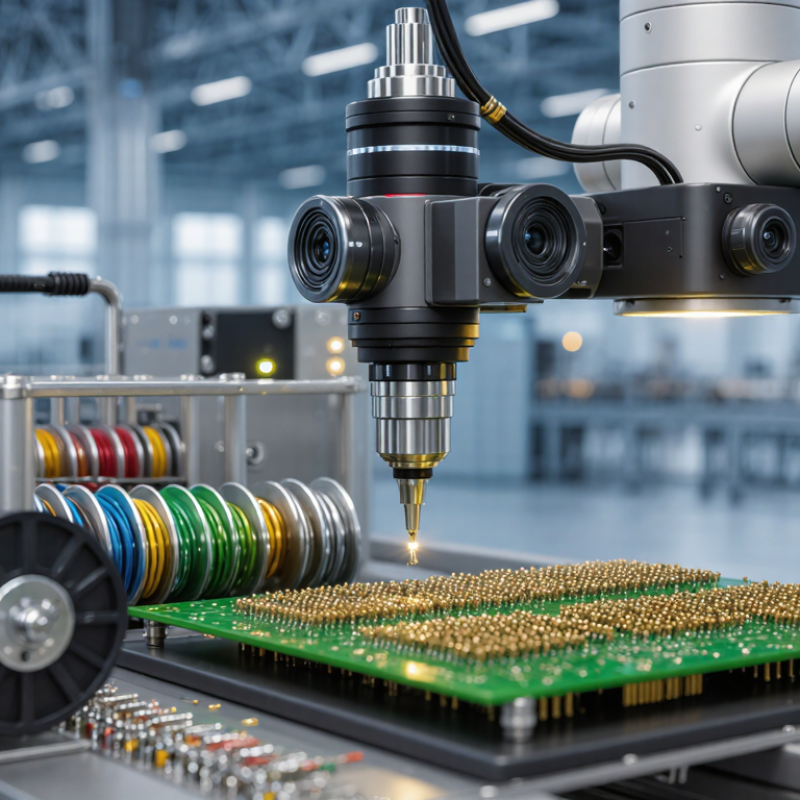
An SMT pick and place machine positions electronic components on printed circuit boards. Its feeder system presents parts in a controlled sequence. A vacuum nozzle or gripper then lifts each component. Vision cameras inspect its shape, polarity, and orientation. The placement head moves across precise X, Y, and Z axes. Conveyor rails transfer boards through the machine. These parts must work together without creating unnecessary vibration.
The controller coordinates placement data, feeder timing, camera feedback, and board movement. Modern systems can place thousands of components per hour, although speed depends on package size and board design. SEMI reported global semiconductor manufacturing equipment sales of 106.3 billion dollars in 2023. That figure reflects continued investment in automated production, including accurate assembly processes. Research and Markets also forecasts steady growth in the surface-mount technology equipment sector through 2030. However, output speed alone can mislead. A fast machine still produces defects when feeders are poorly calibrated or nozzles are contaminated. That weakness deserves attention.
Tips: Check feeder alignment at every shift change. Clean nozzles before placement errors increase. Use vision inspection for small-pitch parts. Keep a short record of misplacements, component types, and board positions. Operators often notice patterns before software does. The machine is precise, not magical.
(Sources: SEMI, 2024; Research and Markets, SMT Equipment Market Outlook, 2024.)
How the Pick and Place Process Works
An SMT pick and place machine transfers electronic components from feeders to a printed circuit board with controlled speed and precision. The process starts when a feeder presents each part at a fixed pickup point. A vacuum nozzle then lifts the component. Vision cameras check its shape, position, and orientation before placement.
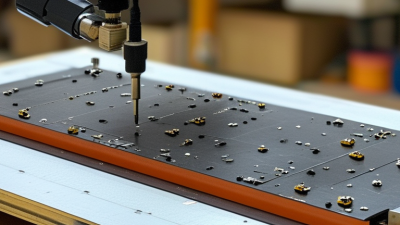
The machine rotates the part and lowers it onto solder paste. Placement pressure must remain gentle but consistent. Too much force can spread the paste. Too little force can leave a floating component. According to Grand View Research, the global SMT equipment market was valued at approximately US$4.6 billion in 2023, reflecting strong demand for automated assembly. That growth also increases pressure for stable, repeatable processes.
Modern systems can place thousands of components per hour, but speed is not the only measure of performance. IPC standards emphasize process control, inspection, and measurable placement accuracy. Operators usually verify feeder calibration, nozzle wear, paste condition, and board support before production. Small errors matter. A misplaced resistor may pass visual inspection yet fail during electrical testing. In practice, the process is rarely perfect. Dust, warped boards, or a poorly seated feeder can create unexpected defects. Experienced technicians review placement data and adjust the machine instead of trusting automation blindly. The machine is precise, not infallible.
Applications and Factors in Machine Selection
What Is an SMT Pick and Place Machine?
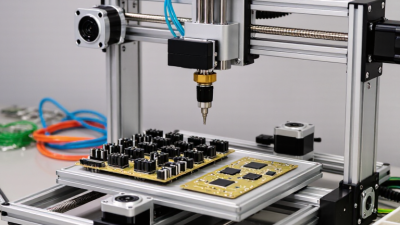
An SMT pick and place machine positions electronic components on printed circuit boards. It uses feeders, vision cameras, and precision nozzles to place parts quickly. Resistors, capacitors, integrated circuits, and connectors can move from reels to solder paste-covered pads. In real production, placement accuracy affects solder joints, electrical performance, and rework rates. A small alignment error can become expensive after thousands of boards.
Applications and Factors in Machine Selection
These machines serve consumer electronics, industrial controls, medical equipment, automotive modules, and communications hardware. High-volume factories often prioritize placement speed and stable feeder performance. Contract manufacturers may need flexible machines for short runs and frequent product changes. A compact workshop might value simple programming more than maximum throughput.
Selection should begin with component range, board dimensions, placement accuracy, and expected monthly output. Check whether the machine handles tiny 0201 parts, larger connectors, and unusual package shapes. Feeder capacity matters when a board uses many component values. Vision systems should detect offset, rotation, missing parts, and damaged leads. Software compatibility also affects setup time and operator training. A machine that looks fast may lose time during changeovers.
Maintenance access deserves attention. Dust, worn nozzles, and poor calibration can quietly reduce yield. Ask for documented accuracy tests and realistic cycle data, not only headline speed. There is no perfect machine. Our early estimates can be wrong when product mix changes. A practical trial with actual boards often reveals problems that specifications hide.